Understanding the Average Lifpan of Modern Appliances
Many homeowners ask, “How long should a washing machine last?” It is a valid question. Purchasing a major appliance is a significant investment. Therefore, understanding its longevity helps with budgeting and planning. Generally, the industry standard suggests a range. A typical washing machine lasts between 10 to 13 years. However, this number is not absolute. It fluctuates based on several variables. For instance, the frequency of use plays a massive role. A machine used daily will wear out faster. Conversely, a machine used once a week may last longer. Furthermore, the type of machine matters. Top-loaders often have different lifespans than front-loaders. Modern technology has also changed the landscape.
Today’s machines feature advanced computerized components. While efficient, these parts can be sensitive. Consequently, they might fail sooner than mechanical parts in older models. Additionally, build quality varies between brands. Some manufacturers prioritize longevity. Others focus on features or aesthetics. Therefore, the brand you choose impacts the timeline. Understanding these factors gives you a realistic expectation. It helps you gauge when a repair is worth it. It also signals when replacement is necessary. In this article, we will explore these factors in detail. We aim to help you extend the life of your current appliance. We also want to guide your future purchasing decisions.
Factors That Influence Washing Machine Durability
Many elements determine how long your washer will function. It is rarely just luck. Usage habits are the primary driver of wear and tear. For example, overloading the machine is a common mistake. It strains the motor and damages the drum bearings. Therefore, proper loading is essential. Furthermore, the type of detergent used matters. High-efficiency machines require specific detergents. Using regular soap creates too many suds. This forces the motor to work harder. Consequently, it leads to premature breakdown.
Another critical factor is water quality. Hard water contains high mineral content. These minerals build up inside the machine. They clog hoses and valves. Thus, they reduce efficiency and lifespan. Additionally, installation plays a part. A machine must be perfectly level. If it shakes violently during the spin cycle, internal parts loosen. This vibration causes significant damage over time. Moreover, the environment affects the machine. A washer in a damp, cold garage suffers. Conversely, one in a climate-controlled laundry room thrives. Therefore, placement is key. By controlling these factors, you can influence longevity. You have the power to extend your machine’s life. It simply requires attention to detail and proper care.
Comparing Top-Loaders and Front-Loaders
The design of your washer impacts its lifespan. Top-loaders and front-loaders operate differently. Each has distinct advantages and disadvantages regarding durability. Top-loaders are the traditional choice. They rely on a central agitator or an impeller. Mechanically, they are often simpler. Consequently, there are fewer parts that can fail. They are also easier to repair. This simplicity often translates to a longer life. Some top-loaders can last up to 15 years. However, they use more water and energy. On the other hand, front-loaders are gaining popularity. They are highly efficient. They use less water and spin faster. This extracts more water from clothes. However, their design is complex.
The door seal is a common failure point. It is prone to mold and leaks. Furthermore, the drum is suspended horizontally. This puts more stress on the rear bearing. Therefore, bearing failure is a frequent issue. While front-loaders clean better, they may require more maintenance. In 2026, manufacturers have improved designs. They address mold issues and bearing strength. Yet, the fundamental differences remain. If longevity is your only goal, a basic top-loader might be best. If efficiency is paramount, choose a front-loader. Just be prepared for potentially higher maintenance costs.
The Impact of Modern Technology on Longevity
Technology has revolutionized home appliances. Modern washing machines are smarter than ever. They connect to Wi-Fi and suggest cycles. While convenient, these features complicate the device. Older machines relied on mechanical timers. These were robust and durable. They rarely failed. Today, machines use electronic control boards. These circuit boards act as the machine’s brain. While efficient, they are sensitive. Power surges can fry them easily. Furthermore, moisture can cause corrosion.
Consequently, a single electronic failure can cripple the machine. Repairing these boards is expensive. Sometimes, it costs as much as a new machine. Additionally, sensors are everywhere. They detect load size and soil levels. These sensors improve water efficiency. However, they add more points of failure. Therefore, the adage “they don’t make them like they used to” holds some truth. Modern machines are more efficient. They treat clothes more gently. But they may not last as long as their 1990s counterparts. When asking “how long should a washing machine last,” consider the technology. Simple models often outlast complex “smart” ones. This is a trade-off for modern convenience.
Essential Maintenance Tips to Extend Life
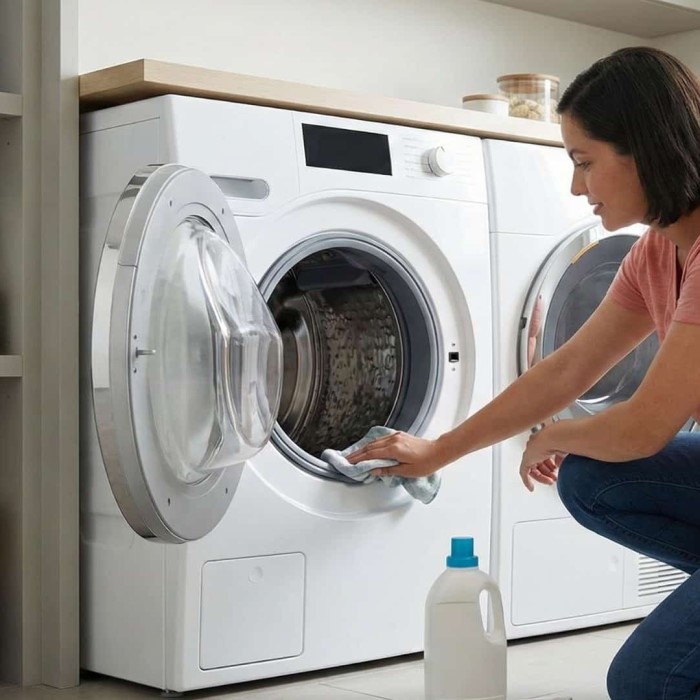
You can significantly prolong your washer’s life. Regular maintenance is the key. It prevents minor issues from becoming major failures. First, inspect the hoses regularly. Inlet hoses carry high-pressure water. They can bulge or crack. A burst hose causes catastrophic flooding. Therefore, replace them every five years. Furthermore, clean the drum monthly. Residue from detergent and fabric softener builds up. It creates a sticky mess that traps odors. Run an empty cycle with hot water and vinegar. This sanitizes the interior. Additionally, leave the door ajar after use. This allows the drum to dry out. It prevents mold growth in the gasket. Moreover, check the pockets before washing. Coins and keys are enemies of the washer.
They damage the drum and pump. So, a simple check saves money. Another tip involves the leveling feet. Ensure the machine sits flat on the floor. This minimizes vibration. Finally, use the right amount of detergent. Too much soap leaves residue. It also forces the machine to work harder. By following these steps, you protect your investment. You ensure your machine reaches its maximum potential lifespan.
Warning Signs Your Washer Is Failing
Appliances usually warn you before they die. Recognizing these signs helps you prepare. It prevents a sudden crisis. One major sign is excessive noise. All washers make some noise. However, loud banging or grinding is bad news. It often indicates a failed drum bearing or a loose part. Furthermore, watch for leaks. Puddles under the machine are not normal. They signal a hose failure or a bad pump seal. Additionally, pay attention to the spin cycle. If clothes remain soaking wet, the spin cycle is failing.
This suggests a motor or belt issue. Another subtle sign is rust. If you see rust inside the drum, the finish has failed. This can stain clothes. Consequently, the machine is degrading. Also, consider the age. If your machine is over ten years old and needs a major repair, be cautious. The repair might be a temporary fix. Therefore, look for clusters of problems. One issue is manageable. Three or four issues suggest the end is near. Being proactive allows you to shop for a replacement comfortably. You won’t be forced into a rushed decision.
When to Repair Versus When to Replace
This is the ultimate question. Deciding requires a bit of math. A good rule of thumb is the “50% rule.” If the repair cost exceeds 50% of the price of a new machine, replace it. Furthermore, consider the age. A machine under five years old is worth repairing. It likely has life left. However, a machine over ten years old is a different story. Even if you fix one part, another may fail soon. Therefore, replacement is often wiser for older units. Additionally, factor in efficiency. Newer models are far more efficient.
They use less water and electricity. Consequently, a new machine lowers your utility bills. This savings helps offset the purchase price over time. Also, check for warranty coverage. Some parts have longer warranties than others. For instance, the drum motor may have a ten-year warranty. The electronic board might only have one. Therefore, verify your warranty status. Sometimes, the repair is free or low cost. In other cases, a new machine offers peace of mind. It comes with a fresh warranty. It also provides modern features. Thus, weigh the costs carefully. A rash decision can waste hundreds of dollars.
Choosing a Durable Replacement for 2026
If you decide to buy new, choose wisely. Not all machines are created equal. Research is your best tool. Look for brands with strong reliability records. Consumer Reports and similar publications offer valuable data. Generally, simpler models are more reliable. They have fewer parts to break. Therefore, consider a basic top-loader. However, if you want a front-loader, check the bearing construction. Steel bearings are better than plastic ones. Furthermore, read reviews from actual owners. Look for comments about noise and vibration. Also, check for mold issues. In 2026, many brands tout “smart” features. Decide if you really need them. Often, you pay a premium for connectivity you might not use. Instead, focus on the motor.
Direct-drive motors are efficient and quiet. They also have fewer moving parts. This usually means greater longevity. Additionally, look for lengthy warranties. A company offering a 5-year or 10-year warranty shows confidence. They expect their product to last. Therefore, the warranty is a good proxy for durability. Invest in quality now. It saves you money and frustration later. A washing machine should be a reliable partner, not a source of stress.
Frequently Asked Questions (FAQ)
Is it worth fixing a 5 year old washing machine?
Yes, it is generally worth fixing. A five-year-old machine is still within its prime lifespan. The repair cost is likely lower than the price of a new unit. Furthermore, the machine likely has several good years left. However, always apply the 50% rule. If the repair cost is half the price of a new machine, reconsider. Get a quote from a trusted technician first.
How often should you replace a washing machine?
You should not replace a machine on a strict schedule. Instead, replace it when it fails or becomes inefficient. Typically, this happens every 10 to 13 years. If your machine requires frequent repairs, replace it sooner. Upgrading to a high-efficiency model can also be a reason to replace an older unit. Ultimately, wait for signs of terminal failure.
How long should a normal washing machine last?
A normal washing machine should last between 10 and 15 years. Top-loaders often lean towards the higher end of this range. Front-loaders may last slightly less due to complex parts. Proper maintenance can push a machine to the 15-year mark. Conversely, neglect can reduce the lifespan to under 8 years.
What washing machine brand lasts the longest?
Speed Queen is renowned for longevity. Their machines are built like commercial units. They often last over 20 years. Other reliable brands include Maytag and Whirlpool. Simple models from these brands tend to be very durable. LG and Samsung also make reliable machines. However, their complex models may require more service. Research specific models before buying.
Conclusion: Making Your Washer Last
In summary, the answer to “how long should a washing machine last” depends on you. The average range is 10 to 13 years. Yet, this is not guaranteed. Many factors influence this timeline. The machine type, brand quality, and usage habits are all critical. Furthermore, modern technology has introduced new complexities. While machines are more efficient, they can be more fragile. Therefore, your role as a homeowner is pivotal. You can extend the life of your appliance. Follow the maintenance tips provided.
Keep the machine clean and level. Address repairs promptly. Do not ignore the warning signs of failure. By being proactive, you protect your home and wallet. You ensure your laundry routine remains uninterrupted. Ultimately, a washing machine is a workhorse. Treat it with care, and it will serve you well for over a decade. Neglect it, and you may find yourself shopping for a replacement much sooner. Use the knowledge in this guide to make informed decisions. Whether you are maintaining an old unit or buying a new one, understanding lifespan is the key to satisfaction.